How to Plan Promotional Products for Different Budgets
2026-04-15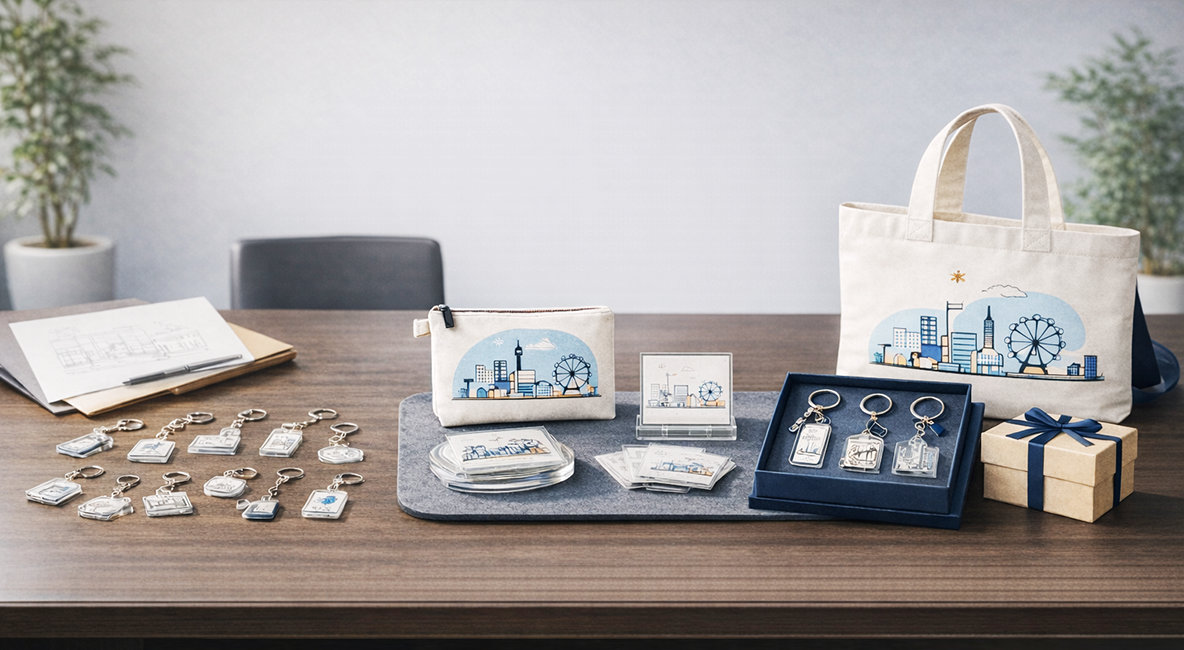
How to Plan Promotional Products for Different Budgets
When planning promotional products for events, budget is often the primary constraint. It directly affects material selection, production methods, and overall presentation. By structuring product choices based on budget tiers, brands can maximize impact while maintaining practical value.
1. Low Budget: Focus on Quantity and Exposure
With limited budget, the goal is to maximize reach and basic brand visibility.
▶️ PVC small items
Keychains, card holders, and small accessories are cost-effective and suitable for large-scale distribution.
▶️ Basic acrylic products
Small-sized acrylic charms can retain design appeal while controlling cost.
▶️ Lightweight promotional items
Compact and easy to carry, ideal for quick distribution during events.
Applicable scenarios: exhibitions, street promotions, high-volume campaigns
2. Mid Budget: Balance Functionality and Branding
At a mid-range budget, products can offer better usability and stronger brand presence.
▶️ Functional PVC products
Zipper pouches and storage items that combine practicality with branding.
▶️ Acrylic display items
Standees or designed charms that work as both souvenirs and display pieces.
▶️ Bag-type products
Tote bags or storage bags that extend usage beyond the event.
Applicable scenarios: brand events, member gifts, collaborative campaigns
3. High Budget: Enhance Brand Image and Perceived Value
With a higher budget, the focus shifts to presentation, completeness, and overall quality.
▶️ Combined product sets
Integrating PVC, acrylic, and bag products into a cohesive set.
▶️ High-finish design items
Products developed with a more complete and refined visual system.
▶️ Highly customized products
Tailored designs based on campaign themes or brand positioning.
Applicable scenarios: major brand events, VIP gifts, annual campaigns
4. Practical Considerations for Budget Planning
When selecting products, consider not only unit cost but also:
Distribution quantity and target audience
Portability and size
Actual usability
Ability to extend brand exposure
With practical development experience, suppliers can help balance budget and design.
Taking Kim Hwa's experience as an example, materials, dimensions, and production methods can be adjusted according to different budget levels, helping brands maintain product quality while controlling costs.
Conclusion
Planning promotional products is not just about choosing items, but about making the right decisions within budget constraints. A structured approach allows brands to maximize impact while balancing visibility and usability.
With proper development support, even limited budgets can be translated into practical and effective promotional product solutions.
Customization Process: