Custom Souvenir Ideas for Museum Shops and Tourist Attractions
2026-04-13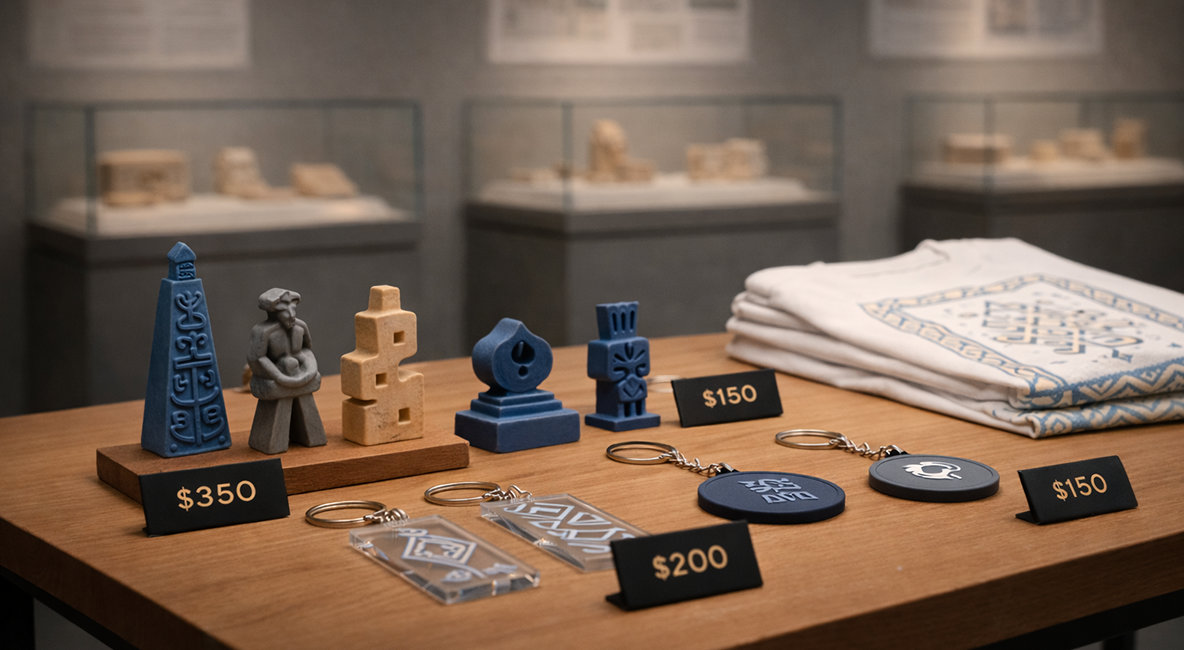
Custom Souvenir Ideas for Museum Shops and Tourist Attractions
In museum shops and tourist attractions, souvenirs are more than just retail items—they serve as an extension of cultural content and location identity. Well-designed products can enhance visitor experience and allow memories to continue beyond the visit.
Compared to general merchandise, souvenirs emphasize thematic relevance, collectibility, and portability. Product planning should therefore balance design appeal with practical use.
1. Common Types of Souvenirs
Based on usage and customer behavior, souvenirs can be categorized as follows:
▶️Mini collectible items
Such as poly resin figurines and small decorative pieces, representing cultural themes or iconic elements in three-dimensional form.
▶️Keychains and small accessories
Including acrylic keychains and PVC items, compact and affordable, suitable for large-volume sales and easy for visitors to carry.
▶️Display-oriented items
Decorative products designed for placement, such as miniature models or cultural objects that highlight visual identity.
▶️Practical souvenirs
Items like tote bags, stationery, and lifestyle goods that combine usability with branding, allowing continued exposure in daily life.
2. Product Development for Different Venues
Souvenir design should be based on the characteristics of the venue and its audience.
▶️Museum shops
Focus on extending exhibition content into educational or culturally meaningful products.
▶️Tourist attractions
Emphasize recognizable landmarks, architecture, or symbolic elements that can be translated into memorable products.
▶️Special exhibitions / limited-time events
Introduce limited-edition items to enhance collectibility and drive on-site purchases.
3. Key Factors for Creating Attractive Souvenirs
In a competitive market, souvenirs need clear positioning.
▶️Strong thematic connection
Products should directly relate to the exhibition or location rather than simply displaying a logo.
▶️Portability and size control
Compact and easy-to-carry designs are especially important for tourists.
▶️Balanced pricing structure
Offering a range from entry-level items to higher-value products helps meet different purchasing needs.
4. Practical Considerations from Design to Production
Souvenir development involves both design and manufacturing feasibility:
Different materials (poly, acrylic, PVC) suit different forms and applications
Designs must align with production processes such as molding, printing, and assembly
Adequate sampling time is required to ensure stable quality in mass production
In practical development, experienced suppliers can provide material and manufacturing recommendations at the early design stage, helping brands translate concepts into mass-producible products.
Taking Kim Hwa's experience as an example, from 3D form development to mass production control, Kim Hwa can provide suitable product solutions based on different application scenarios, improving overall development efficiency and product stability.
Conclusion
Souvenirs in museum shops and tourist destinations are not just products—they are an extension of cultural and brand identity. With proper planning, they can transform visitor experiences into lasting memories.
From product selection to production, every step impacts the final result. A well-structured development process ensures that souvenirs deliver both commercial value and long-term brand impact.
Customization Process: